
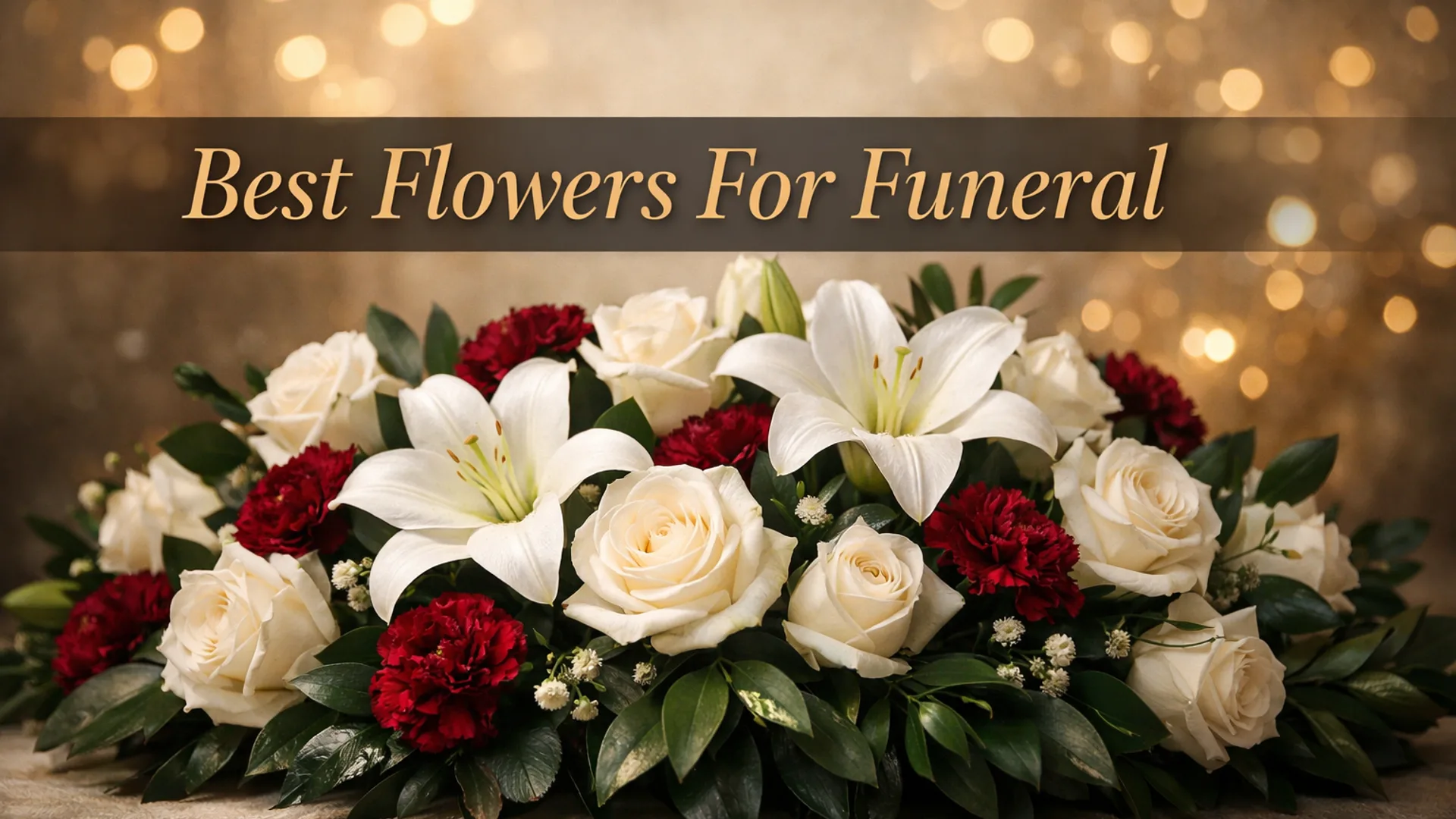
Over my years helping families through difficult times, I've learned that choosing the right flowers for a funeral is about so much more than just beauty. It's about finding blooms that express what words cannot—love, respect, remembrance, and the celebration of a life well-lived. Today, I want to share my experience and guide you through selecting meaningful flowers that honor your loved one with grace and dignity.
When I'm asked about funeral flowers, I always remind people that there's no "wrong" choice. What matters most is the sentiment behind them. However, certain flowers have carried special meanings through generations, and understanding these can help you create a truly meaningful tribute.
Traditional Funeral Flowers and Their Meanings
Roses and Lilies
Eternal love meets peaceful rebirth
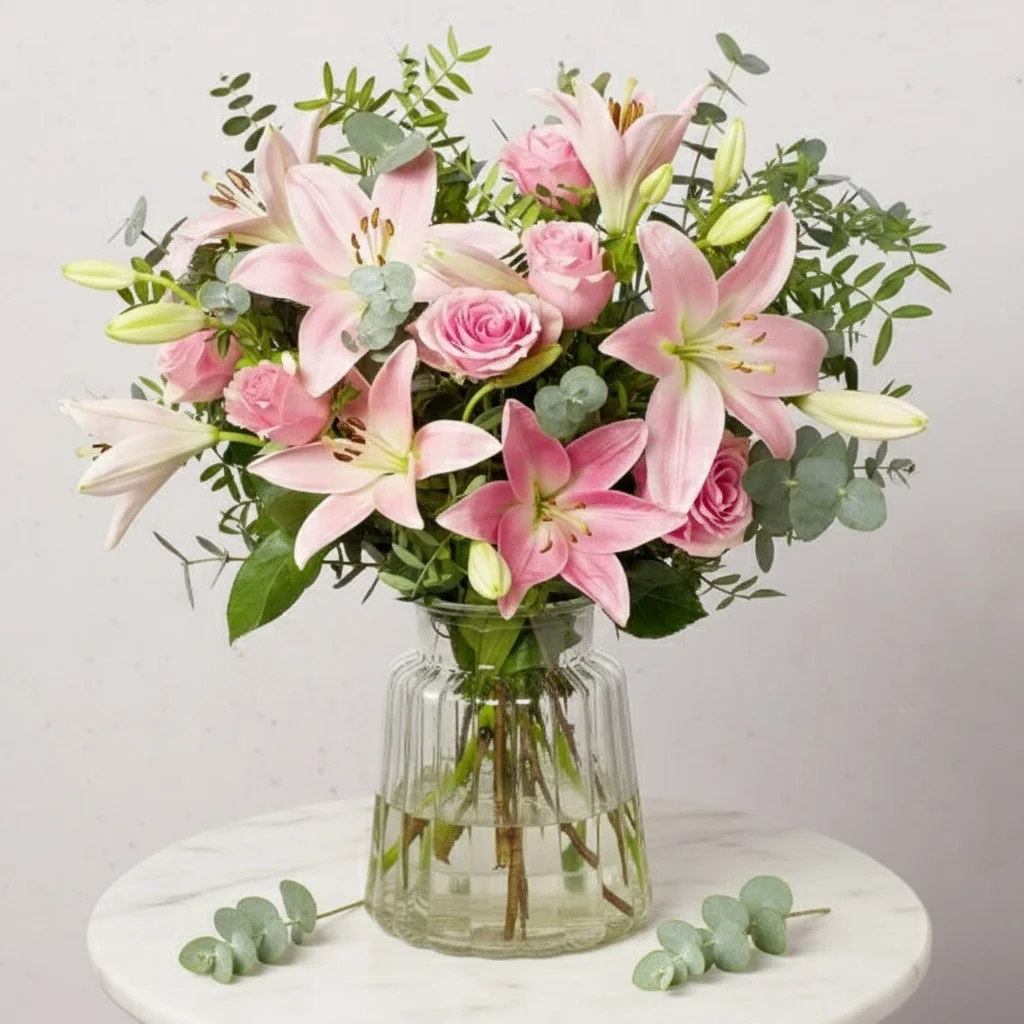
In my experience, roses and lilies together create the most touching funeral arrangements. Roses symbolize enduring love—red for deep love, pink for gratitude, and white for reverence. Lilies, especially white ones, represent the restored innocence of the soul. I often recommend this combination for immediate family members.
Shop Now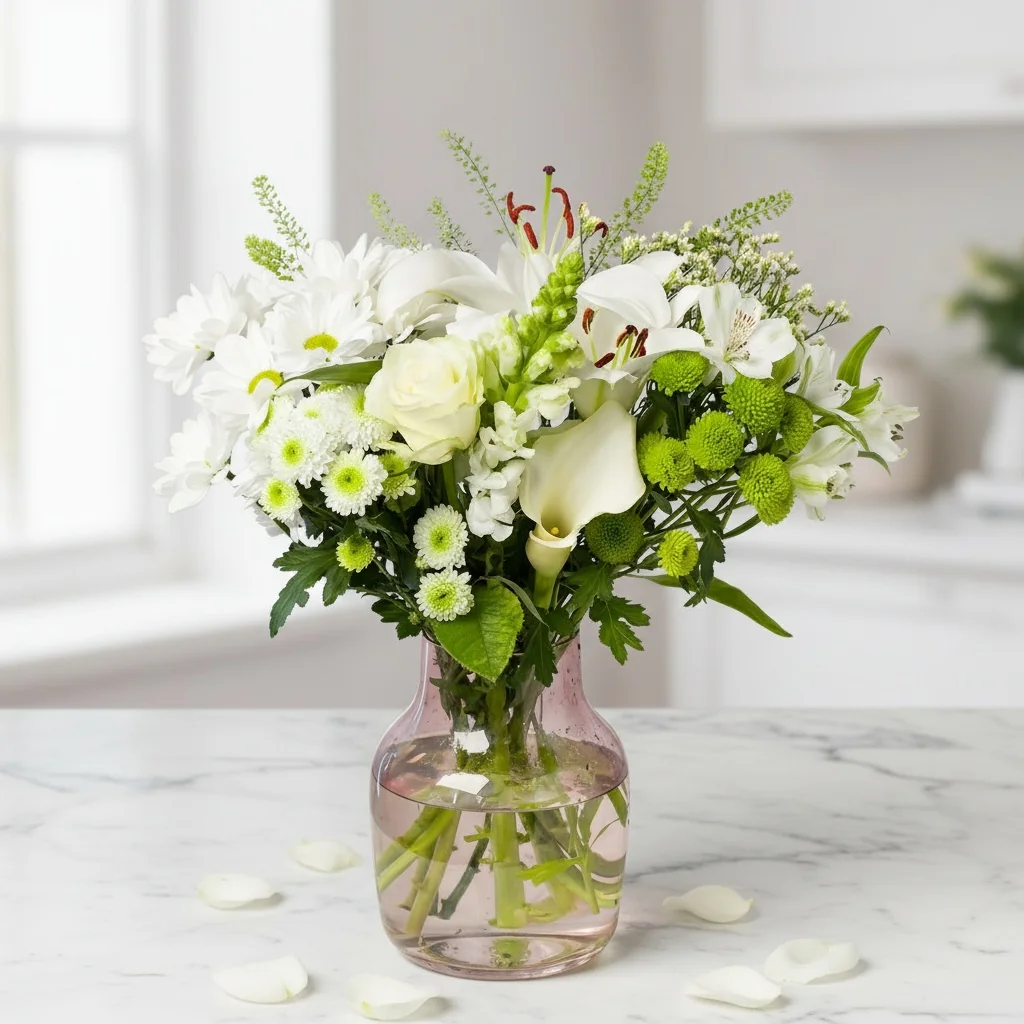
White Oriental Lilies
The ultimate symbol of peace and transition
White oriental lilies have been my go-to recommendation for funeral services for over a decade. Their pure white petals and sweet fragrance symbolize the departed's return to innocence. These majestic blooms offer comfort to grieving families and create a serene atmosphere during the service.
Shop Now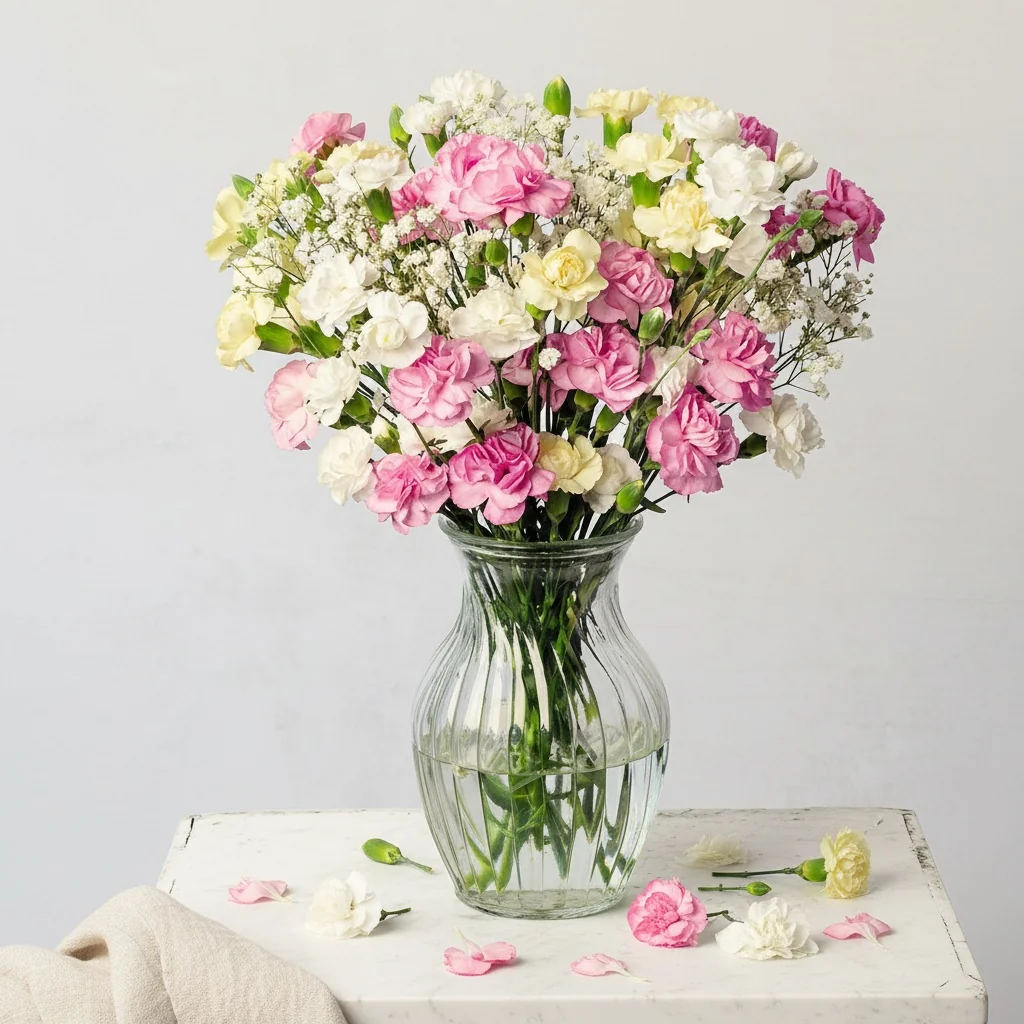
Carnations
Long-lasting tribute of eternal remembrance
I always tell families that carnations are wonderfully meaningful funeral flowers. Pink carnations represent remembrance, red symbolizes admiration, and white stands for pure love and innocence. Their long-lasting nature means they'll stay fresh throughout extended viewing periods, which families really appreciate.
Shop Now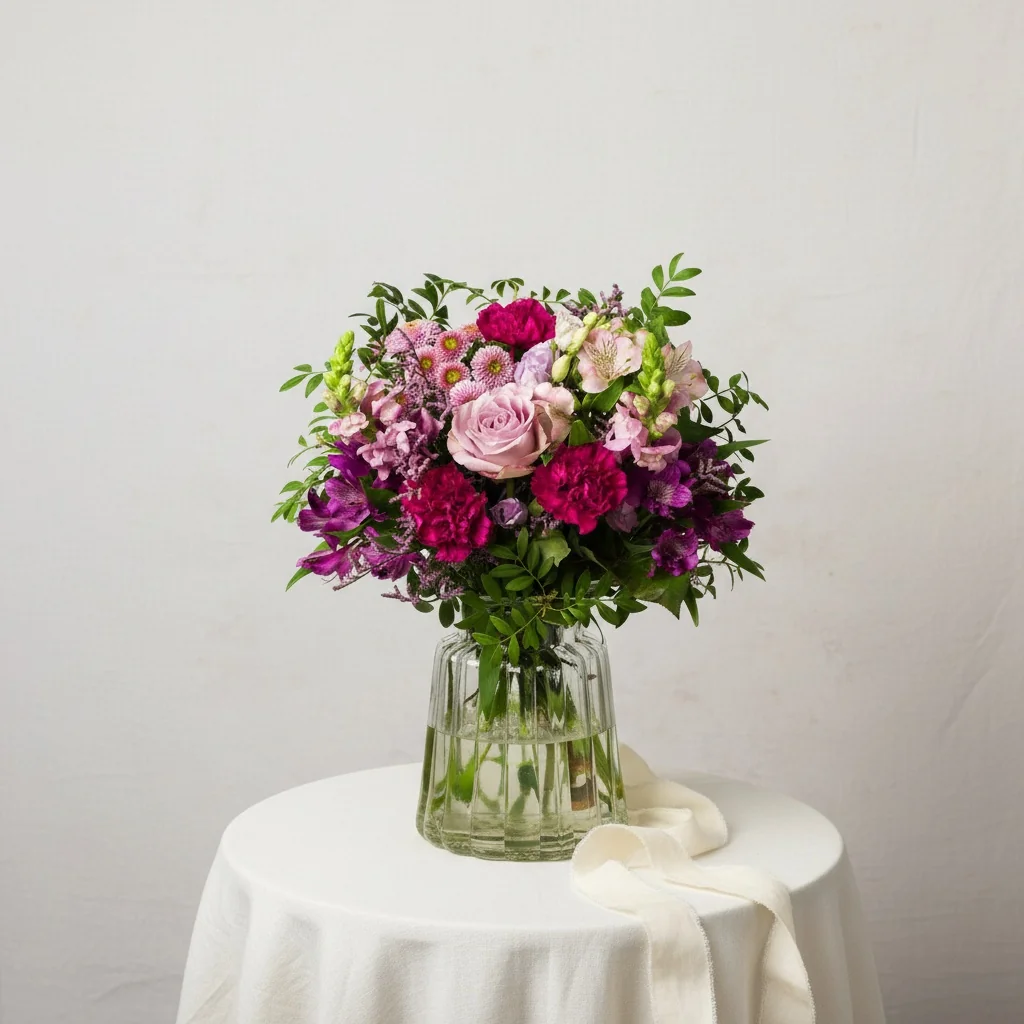
Chrysanthemums
A global symbol of death and rebirth
In many cultures I've worked with, chrysanthemums are exclusively funeral flowers. In Europe, they symbolize death and grieving, while in Asia, they represent rebirth and honor. White mums are particularly appropriate for funeral services, representing loyalty and honesty—beautiful ways to honor someone's memory.
Shop Now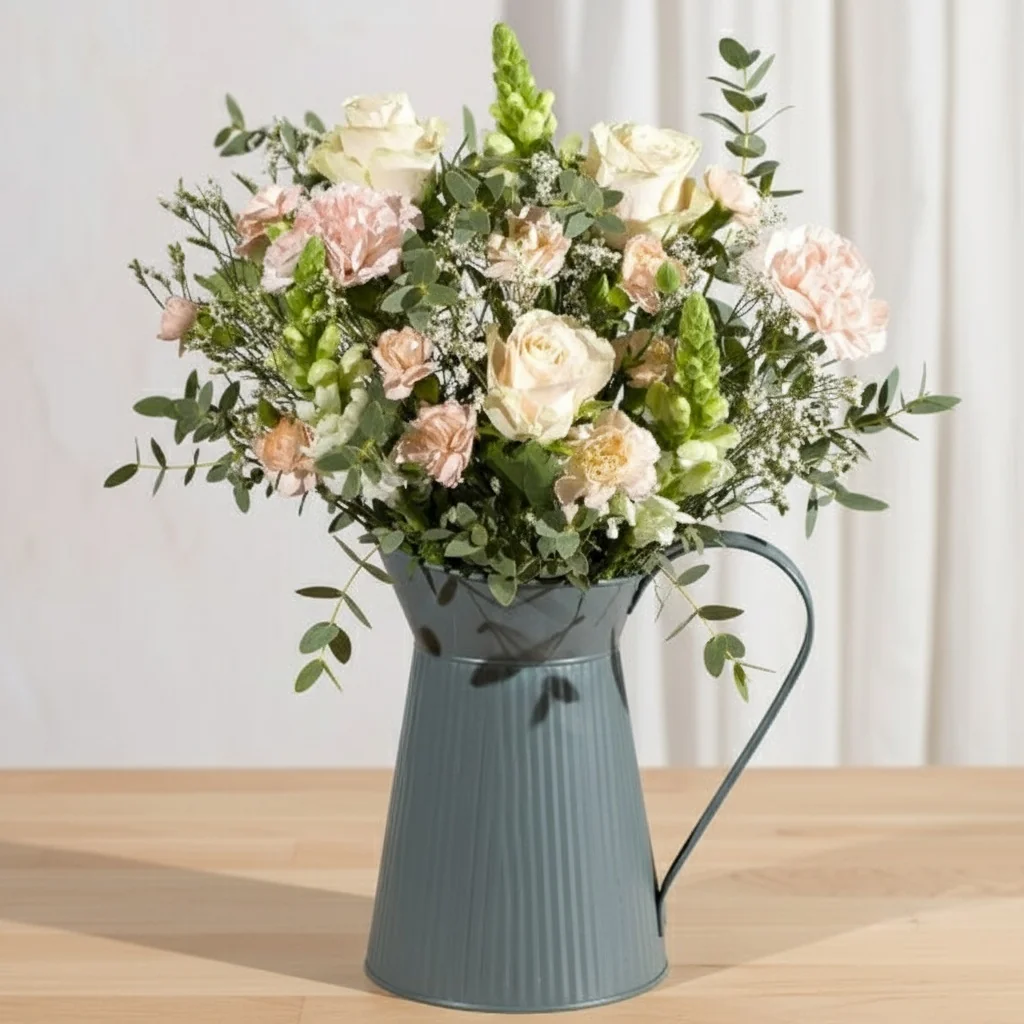
Gladioli
Strength of character and moral integrity
Gladioli always remind me of strength and character—perfect for honoring someone who showed great courage. Their tall, elegant spikes represent sincerity and moral integrity. I often suggest these for military funerals or for someone who was known for their strong principles and leadership.
Shop Now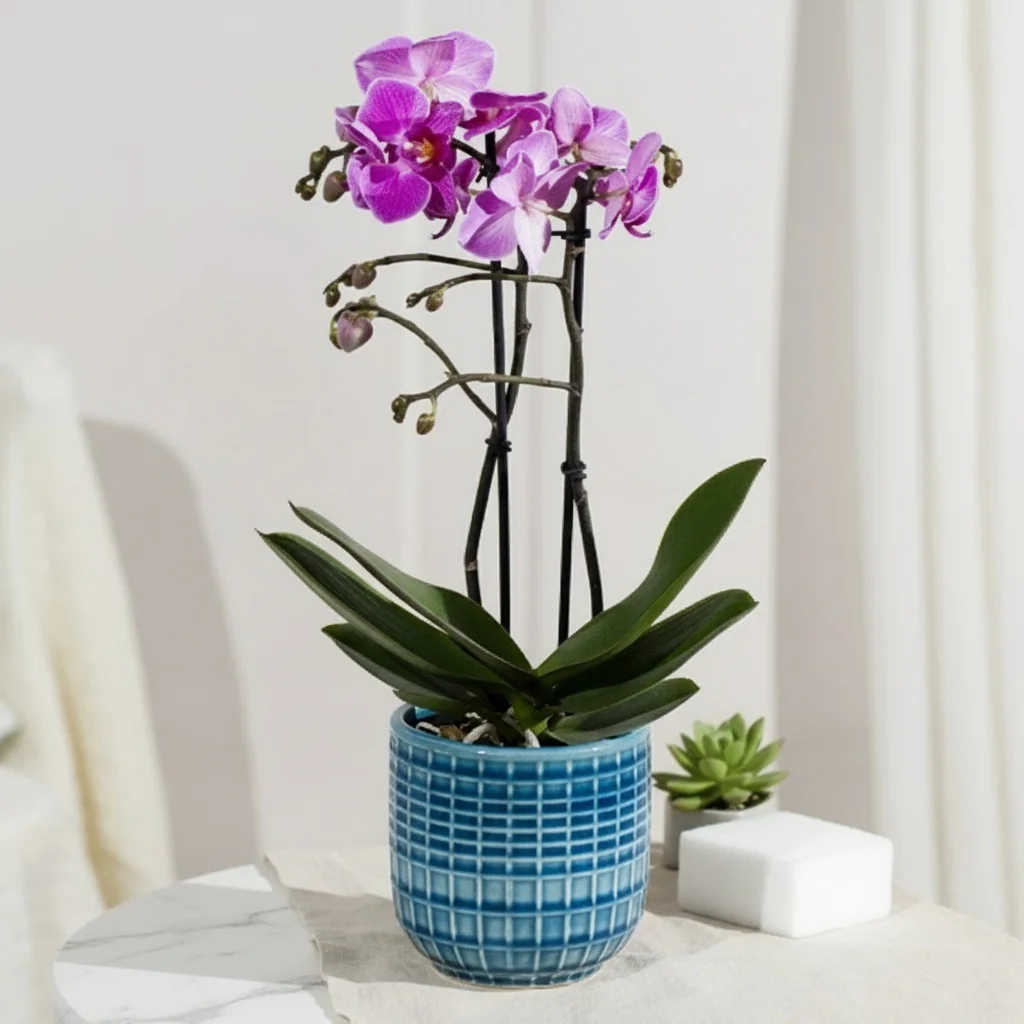
Orchids
Everlasting love and refined beauty
When families want something truly special, I recommend orchids. Pink and white orchids are particularly appropriate for funerals, symbolizing eternal love. As potted plants, they can be taken home after the service as a living memorial—something I find brings great comfort to grieving families.
Shop Now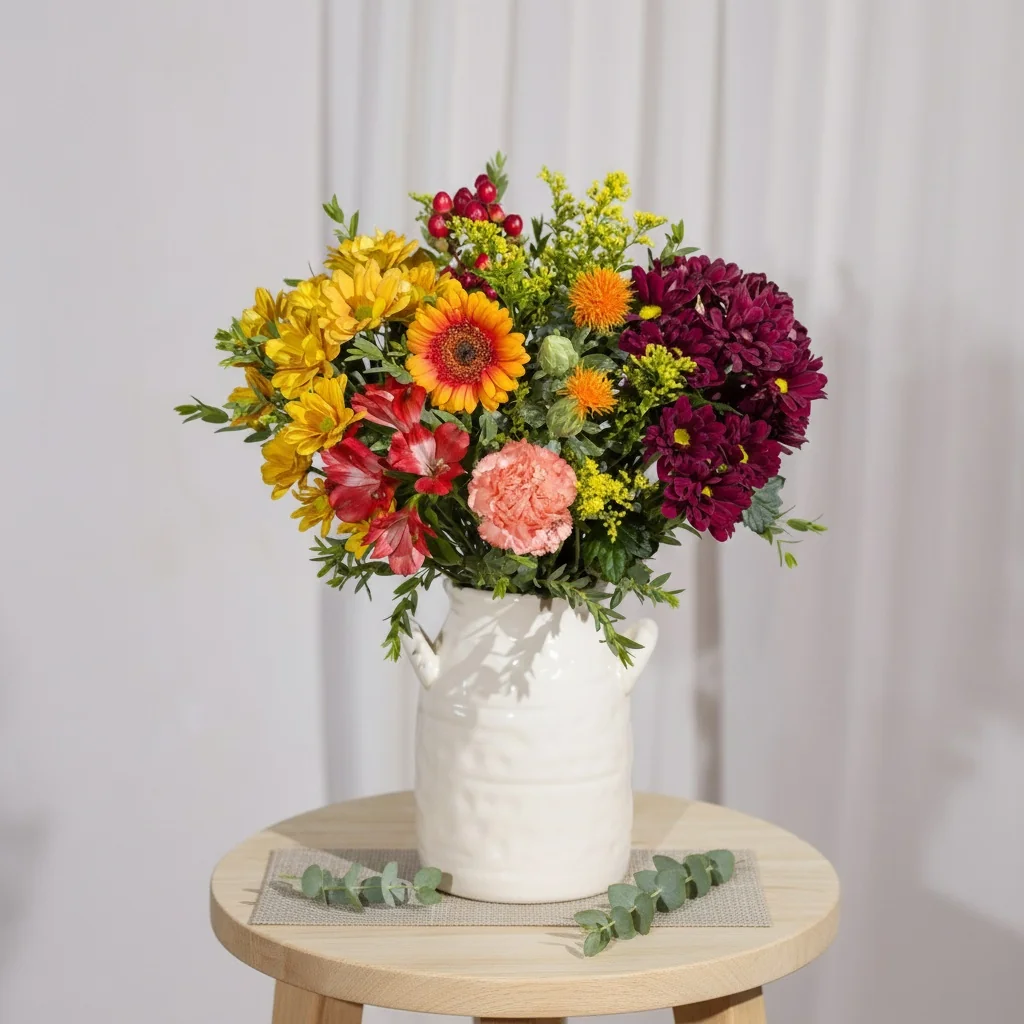
Sunflowers
Celebrating a life filled with warmth and joy
For celebration of life services, I love recommending sunflowers. They represent adoration, loyalty, and longevity—perfect for someone who brought sunshine into others' lives. While less traditional, they're becoming increasingly popular for funerals that focus on celebrating rather than mourning.
Shop Now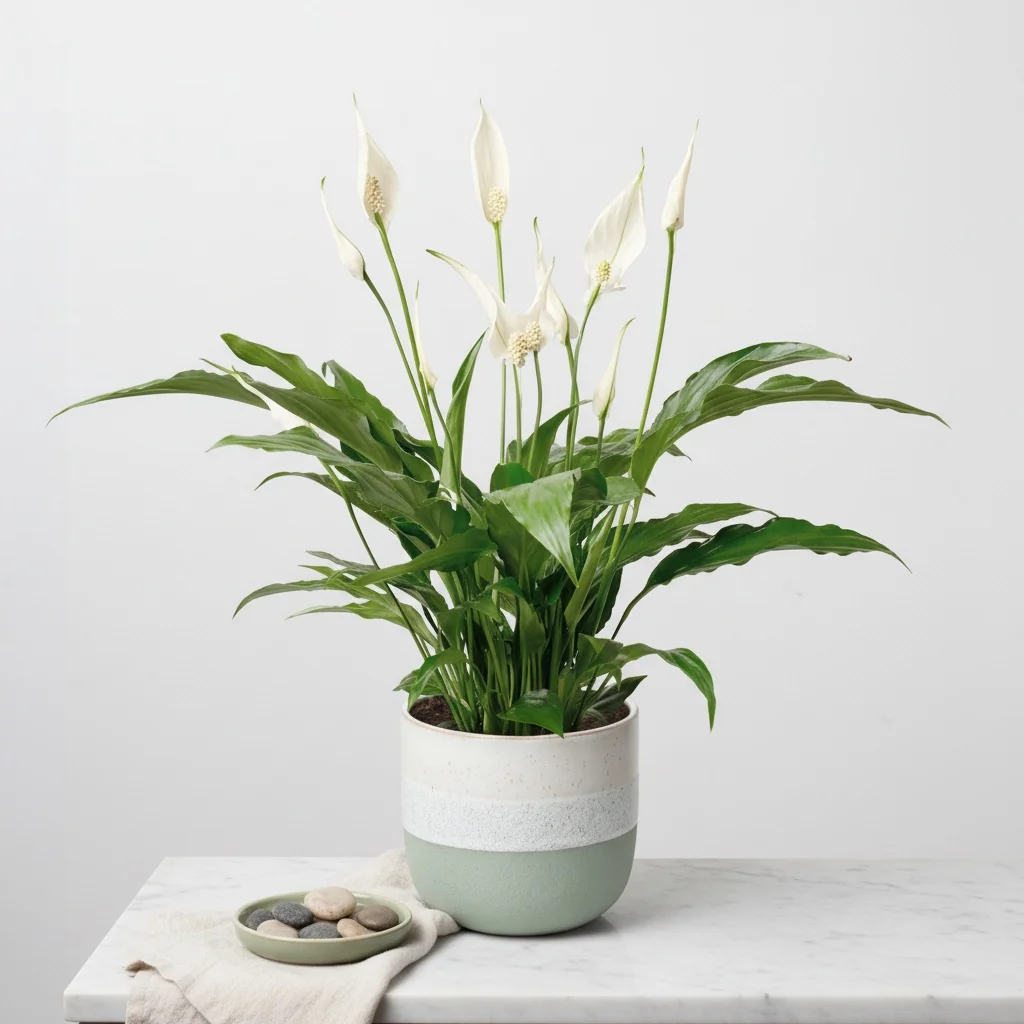
Peace Lily
Living tribute of peace and rebirth
The peace lily is perhaps my most recommended sympathy plant. Its name alone brings comfort, and its elegant white blooms symbolize the rebirth of the soul. As a living plant, it serves as a lasting memorial that families can nurture for years, keeping their loved one's memory alive.
Shop Now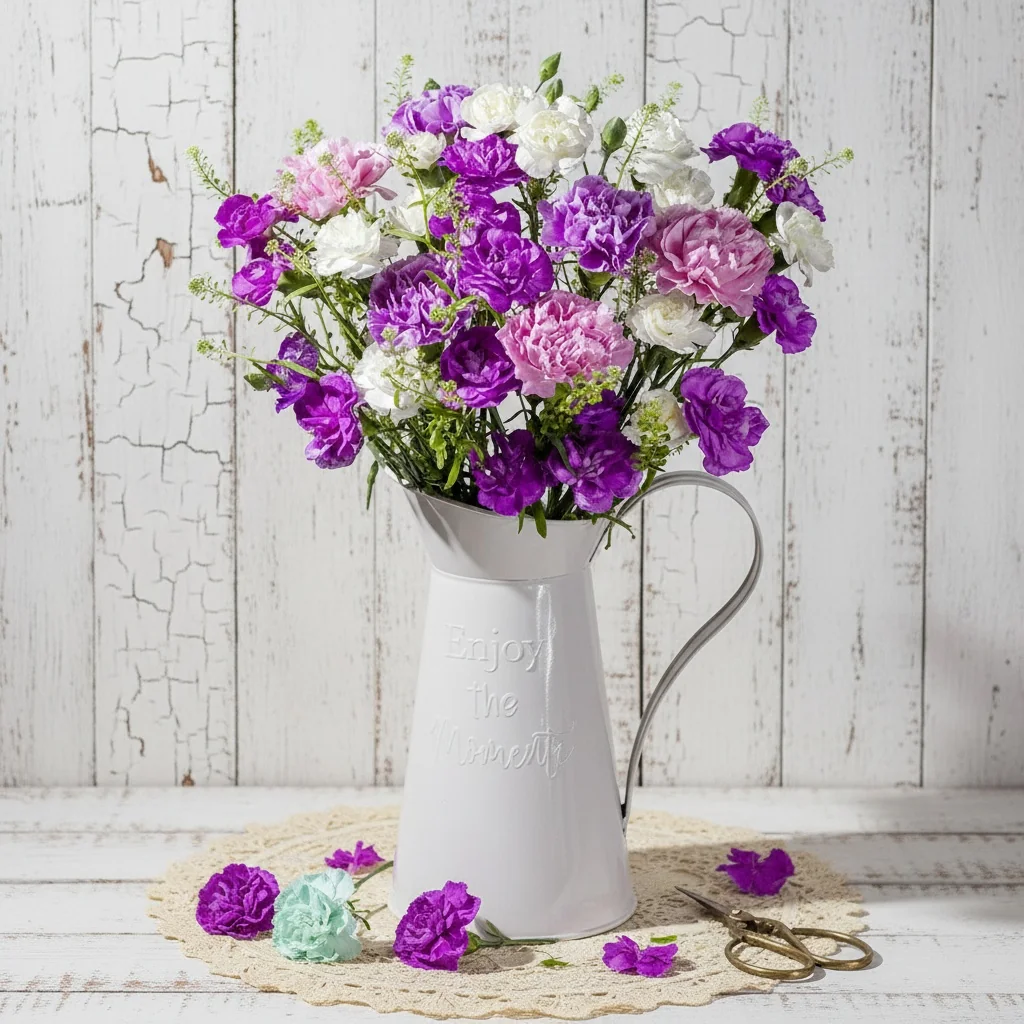
Lavender
Devotion, serenity, and peaceful rest
I've found that lavender brings a unique comfort to funeral services. Its calming fragrance and soft purple hues represent devotion and serenity. Many families tell me the scent brings them peace during the service. It's particularly meaningful for someone who loved gardening or aromatherapy.
Shop Now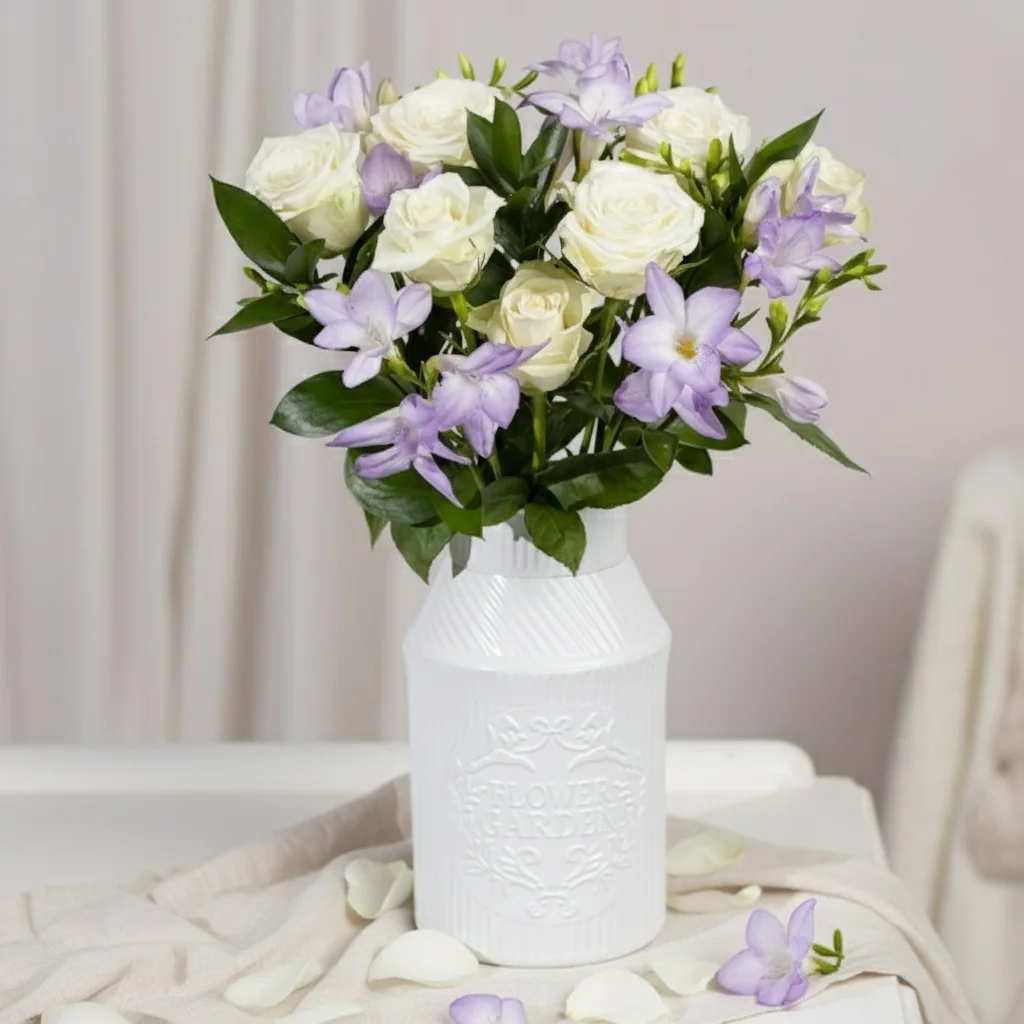
Freesias
Thoughtfulness and the sweetness of memories
Freesias hold a special place in funeral arrangements. Their delicate blooms and sweet fragrance symbolize thoughtfulness and innocence. I often suggest these for the loss of a young person or someone known for their gentle, caring nature. The fragrance creates lasting memories for those attending.
Shop Now💡 Pro Tip: Choosing the Right Arrangement Style
From my experience, different arrangement styles suit different relationships. Immediate family often chooses casket sprays or standing wreaths, while friends might opt for smaller bouquets or plants. Consider your relationship with the deceased and the family's preferences when selecting your tribute.
Color Symbolism in Funeral Flowers
Over the years, I've learned that color choice can be just as meaningful as the flower type itself. Here's what I share with families about funeral flower colors:
Represents purity, peace, and innocence. Perfect for religious services and traditional funerals.
Symbolizes love, respect, and courage. Ideal for spouses or when honoring veterans.
Represents dignity, respect, and admiration. Appropriate for grandparents or respected community members.
Symbolizes friendship and remembrance. Perfect for celebrating a life well-lived.
Cultural Considerations
In my years of experience, I've learned how important it is to consider cultural and religious traditions when selecting funeral flowers. What's appropriate in one culture may not be in another, and I always encourage families to honor their traditions.
🌍 Cultural Insights I've Gathered
Christian funerals often feature white lilies and roses, while Jewish traditions typically prefer charitable donations over flowers. Buddhist funerals welcome white flowers but avoid red, and Hindu services often include marigolds and jasmine. Always check with the family about their preferences and traditions.
Frequently Asked Questions
What flowers are most appropriate for funerals?
In my experience, white lilies, roses, carnations, and chrysanthemums are the most traditional and appropriate funeral flowers. They carry deep symbolic meanings of peace, love, remembrance, and honor. However, any flowers sent with genuine sympathy are appropriate.
Should I send flowers to the funeral home or the family's house?
I usually recommend sending larger arrangements like wreaths or sprays to the funeral home, and smaller bouquets or plants to the family's home. Plants are especially nice for the home as they provide a lasting memorial. Always check the obituary—some families request donations to charity instead of flowers.
What's the difference between sympathy and funeral flowers?
From what I've observed, funeral flowers are specifically for the service and are often larger, formal arrangements like casket sprays or standing wreaths. Sympathy flowers are sent to the family's home and tend to be smaller bouquets or plants that provide comfort after the service.
Is it okay to send colorful flowers to a funeral?
Absolutely! I've noticed a growing trend toward "celebration of life" services where bright, cheerful flowers are welcomed. If the deceased loved gardening or had favorite flowers, incorporating those is a beautiful tribute. When in doubt, I suggest asking the family or funeral director about preferences.
What message should I include with funeral flowers?
Keep it simple and heartfelt. I recommend messages like "With deepest sympathy," "In loving memory," or "Thinking of you during this difficult time." If you knew the deceased well, a personal memory or quality you'll miss can be very comforting to the family.
Are there flowers I should avoid for funerals?
While there are no strict rules, I generally advise being mindful of overly casual or festive arrangements. Avoid flowers with "Get Well Soon" balloons or birthday-themed decorations. Also, be aware that some cultures have specific flower taboos—red flowers in Buddhist funerals, for example.
How much should I spend on funeral flowers?
I always tell people it's the thought that counts, not the price. A modest but thoughtfully chosen bouquet can mean just as much as an expensive arrangement. Consider your relationship with the deceased and your budget. Group arrangements from coworkers or clubs are also a wonderful option.
When is it too late to send funeral flowers?
It's never too late to express sympathy. While flowers for the service should arrive beforehand, I often recommend sending flowers or plants to the family's home in the weeks following the funeral. This shows continued support when the initial rush of sympathy has faded.
Can I bring my own flowers to a funeral?
I'd recommend checking with the funeral home first. Most prefer flowers to be delivered in advance so they can be properly displayed. If you want to bring flowers personally, smaller bouquets that can be easily placed are usually welcome, but always ask first.
What are appropriate alternatives to flowers?
Many families now request charitable donations, and I always encourage honoring these wishes. Other meaningful alternatives include memorial trees, donation to the deceased's favorite charity, or a memorial bench or plaque. Food for the family during shiva or the reception is also deeply appreciated.
Final Thoughts
After years of helping families through loss, I've learned that the most meaningful funeral flowers are those chosen with love and care. Whether you select traditional white lilies or bright sunflowers for a celebration of life, what matters most is the sentiment behind your choice.
Remember, there's no "perfect" funeral flower—only the perfect flower for your unique situation and relationship. Trust your instincts, consider the deceased's personality and preferences, and don't hesitate to ask the florist for guidance. We're here to help you create a beautiful tribute that honors your loved one's memory.
If you're looking for sympathy flowers or need help choosing the right arrangement, I'm always here to guide you through this difficult time with compassion and understanding.